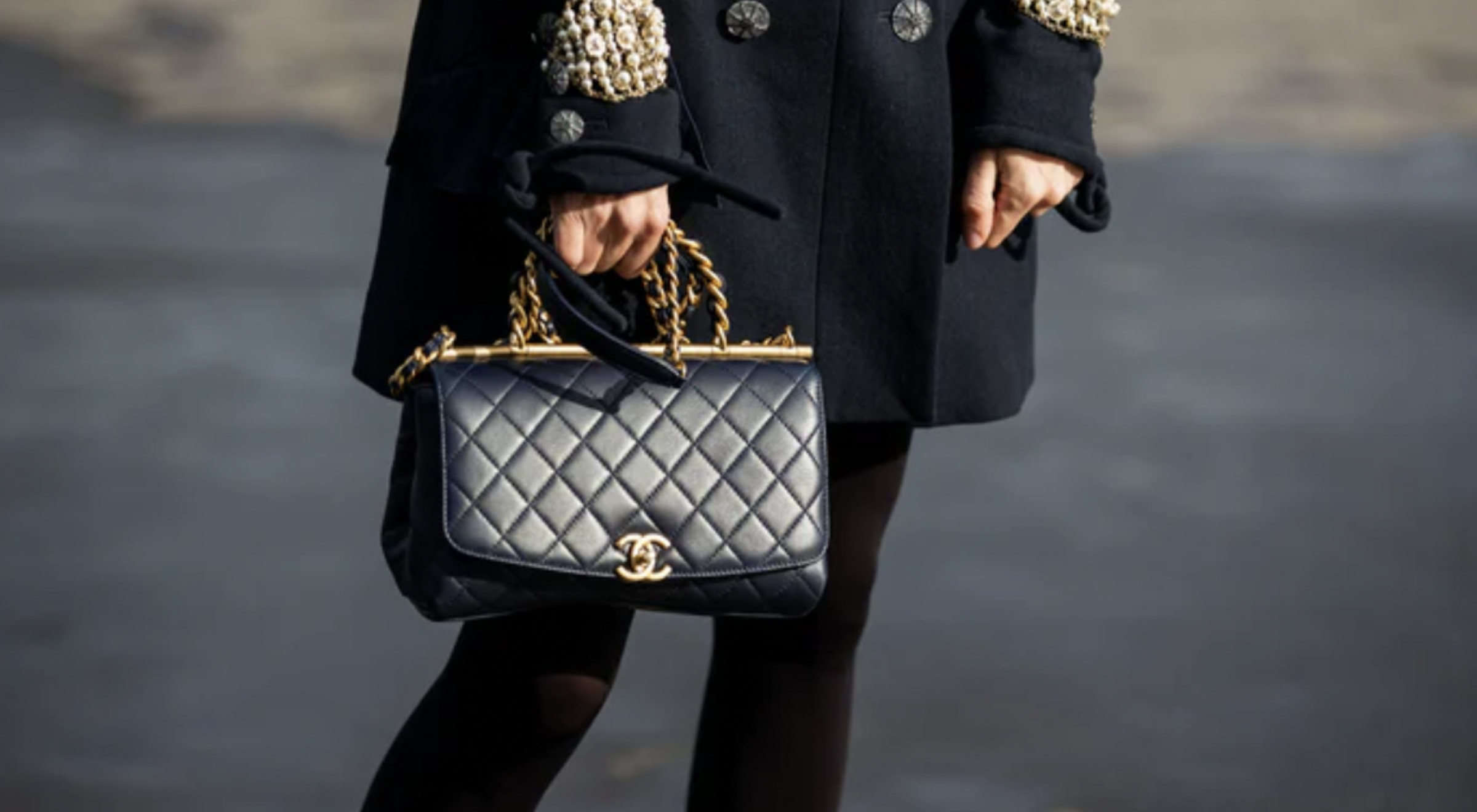

Why spend $5,100 on a luxury handbag, or $750 on sunglasses, when cheaper alternatives serve the exact same function?
It’s all about design, personal expression, and, in many instances, purchasing an item with a higher perceived value, as it makes other people envious and increases your own personal confidence. In some instances, it is all about having that exclusivity.
With the coming Fall 2026 collections, Bottega Veneta with their $5,100 Jodie handbag and Phoebe Philo’s Bombé sunglasses with a price tag of $750 have already shown us the latest trend: bold and exaggerated designs in fashion accessories.
Luxury fashion brands are getting innovative with their approach to designing products that are worthy of spending more on in the present economic environment. What matters most is creating designs that have enough personality and uniqueness to entice customers to spend, especially since a design’s longevity and novelty value is at stake.
Read about Kendall Jenner Invests in TRIP
Why Bigger Handbags Are Making a Comeback
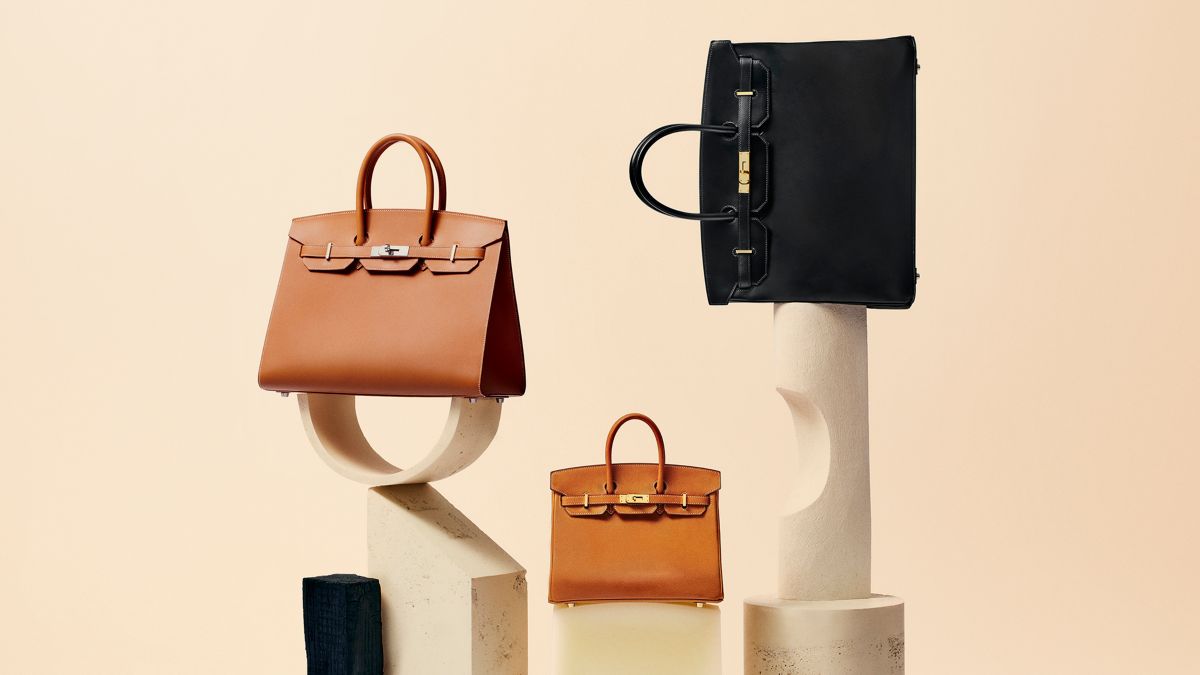
Trends in fashion often come full circle. While previous years focused on compact and understated accessories, there has been a noticeable shift in consumer demand towards larger handbags. Larger tote bags and shoulder bags provide a much needed change to what can be a very boring, everyday addition.
While there is a functional need for larger bags with more capacity, especially for people carrying more than a phone and a wallet, luxury handbag trends go beyond the function.
There is more to luxury bags than functionality. The value and design behind the brand and product matter a great deal, especially with an extremely competitive luxury market.
Bottega Veneta is an excellent example of this. With their $5,100 Jodie bag, they showcase how both unique and exceptional craftsmanship can set a luxury item apart.
It has become the focus of many reviews and reports due to its construction. It has woven leather as its base and has a unique, almost sculptural form that is unmistakable.
While a bag of such high price may seem ridiculous to some, for many it makes perfect sense. Quality and good taste have always been and continue to be highly sought after. Luxury brands, when done correctly, can offer a product that stands out in the marketplace, but has the potential to become iconic.
For $5,100, one receives Bottega Veneta’s iconic Jodie bag. Its woven construction and unique, sculptural form makes it very memorable.
With all of that, for some of Bottega Veneta’s customers, it’s not just the shape or quality of the bag that sets it apart. The bag’s luxury nature, without being blatantly branded, makes all of that apparent to the customers.
Companies that use a particular silhouette can quickly develop brand identity and distinguish their goods from the competitors. Once a shape becomes associated with the brand, a designer can set higher prices and the design will be easily identifiable.
Of course, this won’t help a consumer on a budget, and a well recognized silhouette still does not guarantee every purchase is worthwhile. In the end, a customer will decide whether or not the value of the piece matches the design.
The real value luxury brands sell is in the way the design influences a customer’s interpretation.
Why $750 Sunglasses Are Becoming Fashion Statements
Along with bags, accessory items like sunglasses have seen dramatic transformations as well.
Consider Philo’s Bombé design ($750) where large sized frames are becoming fashionable. Oversized frames give a simpler outfit an edgy appearance.
Imagine the effect glasses have. A t-shirt and jeans is easily transformed. It’s because eyewear design has become interesting and stylish in a unique way.
In this context, sunglasses fit very well with the changing fashion landscape. As well as changing a look, it is a statement piece of a style of dress.
Consider Instagram posts. Accessories with eye-catching shapes are great additions to these kinds of photos. The design makes a great focal point.
For fashion luxury goods, the style is easily integrated into designs that are more affordable.
Then again, do sunglasses at $750 worth that cost for its functionality?
For most, no. There is no doubt that material, design and branding are factors that play into the overall cost. Some shoppers may appreciate the design and will pay for that cost, while others may opt for a pair of sunglasses that satisfies their needs and that costs much less.
A product’s price usually reflects its design and the image the brand wants to project. This means that a product priced more highly does not necessarily have better quality.
Quiet luxury takes over in the mainstream fashion scene. During this time, the style featured quiet and minimal design. Many people preferred to wear simple clothing in colors that weren’t loud, with designs that didn’t feature logos, in the name of style and taste. Many styles became more popular and accessible because people could replicate the look without spending too much money.
In addition to different design philosophies and aesthetics, individual styles were captured through larger sized bags and more extravagant sunglasses.
However, design that focuses on simplicity has not been totally abandoned in favor of larger bags and sunglasses. These approaches can actually coexist within the fashion industry and personal style. One person can wear simple neutral pieces, and accentuate it with a statement piece.
Designing accessories helps designers showcase personal style with larger products. People will more likely be drawn to these products before buying an entire designer outfit.
The price doesn’t equate to the design if the product can be easily duplicated by competitors for less money.
Social Media Is Changing How Luxury Brands Sell Desire

There was a time when a product needed to be in a storefront to be noticed. Not so anymore. An image or video on the Internet can be viewed by millions.
Products like sunglasses and bags that are distinguishable by shape alone have an obvious advantage. After all, if it looks different and looks good, it’s bound to be noticed.
The problem with designs becoming very popular is that soon copies are made, often at a fraction of the cost. The customer is happy with a knock off if they are satisfied with how it looks.
For luxury brands to justify a price tag, they need to offer more than just a distinguishable design. Everything else like craftsmanship, materials, service, brand heritage, and the experience of owning the original all contribute to value.
A product with a design that is very easy to copy will have a harder time justifying its premium price over an equivalent copy.
Luxury Brands Face a Difficult Pricing Question
With interest in eye catching jewelry at a new high, LVMH recently reported that their leather and fashion goods division saw a decline of 5% for their third quarter in 2026. This is a significant point for a part of the luxury industry that has historically been relied on as a revenue stream by fashion houses. As luxury customers begin to be more cost-conscious, many shoppers are beginning to put off luxury purchases, while others choose more budget-conscious brands, used options, or opt for alternative products.
Read about New Angels Owner Stan Kroenke Has Already Made Nearly $20 Billion on His Sports Teams
The price range for luxury items means balancing the customer perception of the value versus the need to sell exclusive, sought-after items. Novel design is an effective tool to draw interest, but can not compensate for the challenges related to a customer’s lack of confidence and/or affordability, as well as shifts in their purchasing behavior.
Ultimately, the goal is for customers to value the item long after the novelty has faded.
Are Expensive Status Symbols Worth Buying?
Depending on the context, there are reasons to justify purchasing luxury items.
If you are financially comfortable and appreciate the artistry, quality, and aesthetics of a designer handbag, there is no reason you cannot enjoy it. Others might consider an independent designer’s piece to be just as worthy of consideration.
Both approaches are fine as long as they aren’t being motivated by pressure to conform.
Luxury items are sometimes referred to as investment pieces, however, this should be taken with a grain of salt. A luxury item will not always appreciate in value and certainly cannot be guaranteed to turn a profit.
Prices on the secondary market are unpredictable due to several factors, including but not limited to brand, condition, demand, and changes in the market. An item with a design that was once popular can quickly go out of style and fall into the category of items that do not hold their value.
Most people should not purchase items that they consider luxuries. Most of the people shopping for such items are doing so for the right reasons, such as because they truly want the item and have the budget for it, rather than because they expect their item to grow in value.
What Comes Next for Luxury Fashion?
Although oversized handbags and sunglasses with thick frames are having a big moment, most trends come and go quickly. Design changes are always in flux. Preferences change, and the statement items that you liked the most will eventually become the statement items you liked the least.
The more significant part about the accessories is how they change our view of the luxury market.
Brands strive to keep their product as desirable as possible while keeping the market exclusive. Customers compare luxury designs to their expensive price tags and then determine whether they are worth it.
Designers will have to be clever. It will take more than bold statement pieces. The products will have to be high quality, as well as distinctive.
Read about Hublot x Jeff Koons: Inside the $488,000 Watch Bringing Art and Luxury Together
There will have to be a convincing argument to persuade people to spend money on something luxury rather than on cheaper, functional, and even uninspired products.
Luxury brands are the masters of combining design and desire. A clear case of that is the combination of the $5,100 handbag and $750 sunglasses. These goods will get people talking. However, as it turns out, fame can come at a price.
Owning the most costly luxury good isn’t what matters the most. What does matter is to appreciate and love a one-of-a-kind object, enough to consider the object worth paying for.