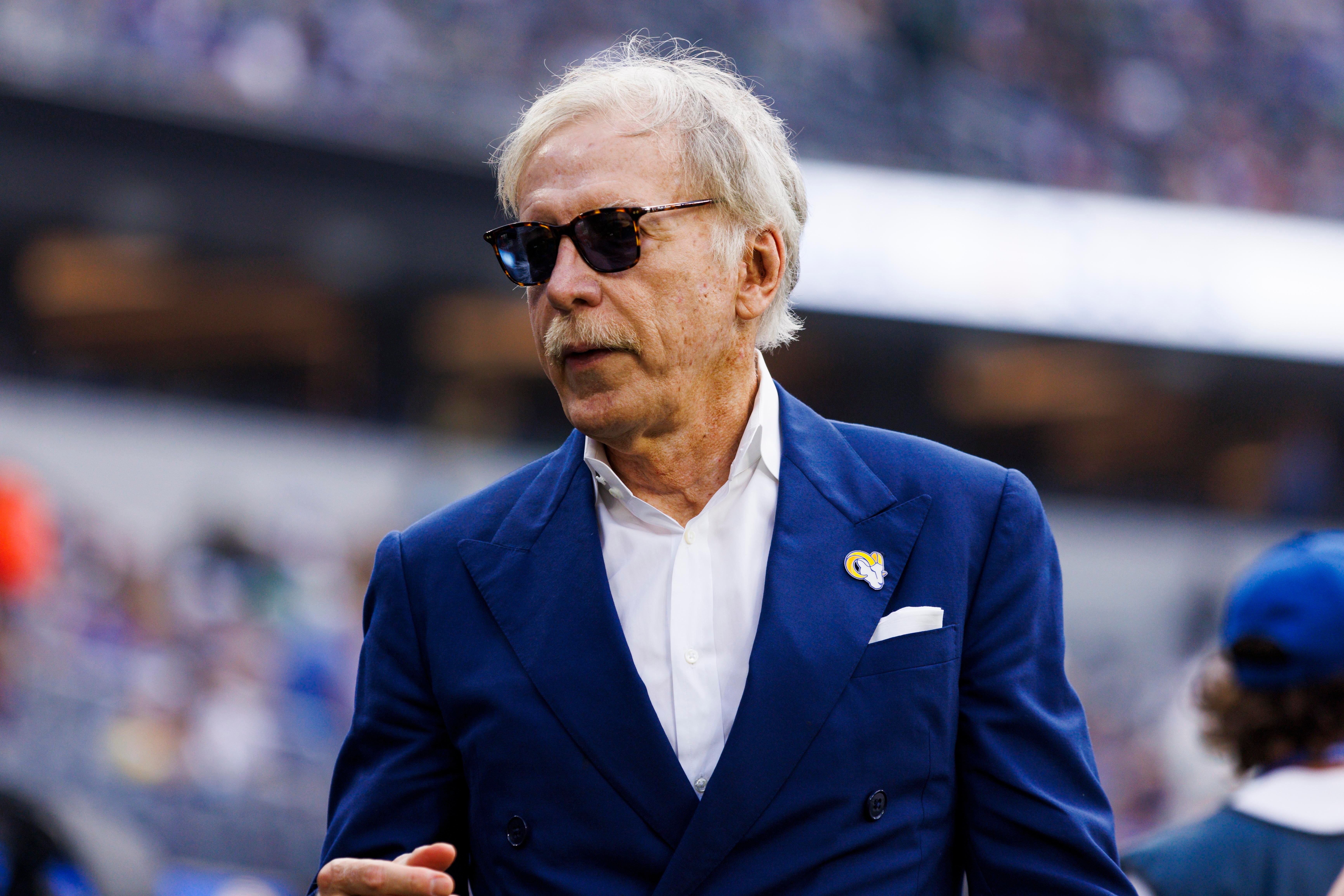

Stan Kroenke is set to expand into Major League Baseball. His sports holdings already cover the NFL, NBA, NHL, MLS, and English soccer.
In September 2026, Kroenke agreed to purchase the Los Angeles Angels from Arte Moreno. Multiple reports put the price near $4 billion. If things go as planned, the sale should be finalized early in 2027. MLB approval is required, along with other stated conditions.
The Angels would fit into a portfolio that has grown a lot in value. Forbes estimates Kroenke’s current stakes in the Los Angeles Rams, Denver Nuggets, Colorado Avalanche, Colorado Rapids, Arsenal, and Arsenal Women at about $22 billion after debt is counted. He obtained the six teams for around $2.4 billion at the time. After adjusting for inflation, that figure comes to about $3.8 billion.
So, the rise in value is close to $20 billion just from the teams.
This is a clear example of how the business side of sports has changed. Deals for TV coverage and sponsorships matter more now. Stadium upgrades can also play a role. There is wider reach through global fans. And there are fewer franchises to go around.
For Kroenke, who first made his money in real estate, team ownership has turned into a major driver of wealth.
Stan Kroenke’s Sports Teams Have Become a $22 Billion Portfolio
Kroenke built a sports portfolio that is unusually wide.
He owns the Los Angeles Rams in the NFL. He owns the Denver Nuggets in the NBA. In the NHL, he has the Colorado Avalanche. In MLS, he has the Colorado Rapids. In soccer in England, he owns Arsenal in the Premier League. He also owns Arsenal’s women’s team. Forbes puts the total value of these holdings at about $22 billion, after debt is taken out.
You can see the size more clearly when you look at what he paid at the start.
Over close to thirty years, he spent about $2.4 billion to buy six main franchises. Forbes says those stakes are now worth roughly $22 billion, net of debt. That works out to an increase near $19.6 billion, not counting inflation or other costs of owning teams.
These figures do not mean Kroenke has collected $19.6 billion in cash.
A lot of the gain is the estimated jump in the value of the assets he still holds. It matters because team wealth is often mostly on paper. It stays that way until an owner sells part of the stake or the business brings out cash payments to investors.
Even so, the jump in value is huge.
The Rams Have Been the Biggest Transformation
The Los Angeles Rams are often seen as the best example of Kroenke’s approach in sports.
Kroenke took control of the team, then shifted it from St. Louis to Los Angeles. After that, the Rams put SoFi Stadium to work in 2020. The stadium cost $5 billion and was built as part of the larger Hollywood Park plan.
That money later showed up on the field. In February 2022, the Rams won Super Bowl LVI at SoFi Stadium. They beat the Cincinnati Bengals.
Since then, the franchise has grown in financial value far past the first amount Kroenke put in. In 2025, Forbes placed the Rams at $10.5 billion. In 2026, Forbes listed a new figure of $13.5 billion.
Forbes also tracked how fast the value rose. It said the Rams increased at an 18.9% compound annual rate from 2010. Over the same stretch, NFL teams averaged about 13.9%. The S&P 500 averaged 12.7%.
This is why Kroenke’s sports bets have paid off. The teams are not only moving fans through ticket lines. They also hold key media and entertainment assets. Those assets matter most in places where large crowds are always watching.
Read fully Drama in World Leadership: War, government shutdowns and a troubled economy for the US
Arsenal Added a Global Dimension
Kroenke’s sports business reaches past North America.
Kroenke Sports & Entertainment also runs Arsenal, a well known football club in England. Through Arsenal, Kroenke gets access to fans around the world. He also gets direct insight into how the Premier League works. In that league, TV deals, brand deals, and global supporters have made top teams worth a lot.
Arsenal has grown in value during Kroenke’s time as owner. Still, the money side of European football is not the same as in American sports leagues.
This gap matters when you look at the full mix of assets. In the US, most big leagues have stable membership. Team counts stay fairly limited. In Europe, soccer clubs play within systems that change. Promotions and relegations happen. The business setup also works in a different way.
So Kroenke is not locked into one style of sports ownership. His holdings spread across multiple models.
The Nuggets and Avalanche Show the Value of Winning
Kroenke’s teams in Colorado have also reached the top.
In 2023, the Denver Nuggets won their first NBA title. Before that, in 2022, the Colorado Avalanche took the Stanley Cup.
There is a money side to these wins. Strong years can draw more people to games. They can also lift sponsor interest, sell more gear, and boost what fans see in the media. Still, the bigger point is how the teams can grow in value over time.
Kroenke bought these clubs earlier, when pro teams cost much less than they do now. Media deals and sports business overall have risen a lot. At the same time, there are only so many top level teams available.
So the outcome is a real scarcity edge.
Why Sports Ownership Has Been So Profitable
Kroenke’s profits make sense when you look at the basic money factors.
A sports franchise is not easy to replace. The big US leagues have a set number of teams. In the NFL, NBA, NHL, and MLB, you cannot just pop up a new club and start competing with the Rams right away.
Because of that, older teams often have an edge on price when they change hands.
Another big factor is media rights. Sports still pull in huge audiences, often all at once. That is why games matter to TV networks and streaming services.
There is also more income on top of that. Sponsorships add cash. Naming rights bring in more. Premium seats sell well. Fans buy merchandise, and there are licensing fees. Major venues also connect to real estate.
Kroenke’s Rams deal shows how these parts can fit together. Moving the team back to Los Angeles opened the door for a new stadium. It also supported nearby growth. In the end, the franchise became tied to a wider real estate and entertainment setup.
For someone who already knows property development, this approach fits especially well.
The Angels Give Kroenke His Missing Major League Sport
The purchase by the Angels deal stands out in Kroenke’s holdings. It adds baseball.
Kroenke already runs teams in five big U.S. pro sports leagues. An Angels team would also give him an MLB franchise. It would further expand his footprint in Southern California.
People close to the talks said the agreement puts the Angels at about $4 billion. Multiple outlets reported similar figures. If that number holds up, it could set a new high price for an MLB team.
This deal matters for another reason too. The Angels have been through a rough stretch.
Moreno bought the team from Disney back in 2003 for $184 million. Since that time, the club has often fallen short at the field. The roster included big names like Mike Trout and Shohei Ohtani, yet the results still lagged.
The Angels have missed the playoffs since 2014. That is the longest current playoff drought in MLB.
So Kroenke is taking on something valuable, but it comes with real issues that still need fixing.
The $4 Billion Angels Purchase Comes With a Bigger Opportunity
For Kroenke, the Angels are not simply another team on a balance sheet.
The franchise operates in one of the largest media markets in the United States and plays at Angel Stadium in Anaheim, which opened in 1966. The stadium and the surrounding property have long been central to discussions about the team’s future.
That creates a potential real-estate component alongside the baseball operation.
Kroenke’s background makes that particularly interesting. Forbes describes him as a major real-estate investor and one of America’s largest private landowners, with roughly 60 million square feet of commercial real estate and approximately 2.7 million acres of ranches.
The combination of sports and property development has been a recurring feature of his business career.
The Rams’ move to Los Angeles and the development around SoFi Stadium is the most prominent example. Whether a similar strategy can produce value around the Angels remains to be seen.
What Could Go Wrong?
The remarkable appreciation of Kroenke’s teams does not make sports ownership risk-free.
Franchise valuations can rise for years and then slow when interest rates increase, media economics change or buyers become less willing to pay record prices.
There is also a major difference between owning a valuable team and operating a successful one.
The Angels demonstrate the point. The franchise has had access to major stars and significant player spending but has struggled to turn those resources into sustained postseason success. Its recent record means Kroenke inherits a baseball operation that needs more than a new owner.
There are also stadium questions. Angel Stadium is roughly 60 years old, and the long-term economics of the venue will matter to the franchise’s future.
And unlike a stock portfolio, a sports franchise cannot be easily diversified or sold in pieces whenever market conditions change. The buyer pool for a multibillion-dollar team is limited, and league approval is required for ownership transfers.
That makes sports assets both scarce and relatively illiquid.
Kroenke’s Fortune Now Depends Heavily on Sports
Kroenke has a huge fortune, yet money from sports now drives most of it.
Forbes put his net worth at $27.6 billion on September 15, 2026. That places him high among the richest sports owners in the country.
A lot of his wealth still ties back to real estate and ranch property. Still, Forbes says his sports holdings make up the main share of what he is worth.
This is a noticeable shift from the older picture of him as mainly a real estate figure.
His sports moves read like a plan built for the long run. He buys teams when franchises are hard to get. Then he upgrades operations and venues. After that, he waits as media and business income rise, and the teams grow in value over time.
So far, the results have been strong.
The Bigger Sports Ownership Story
Kroenke’s reported gain of about $20 billion in the estimated worth of his teams is not a rare case.
In the last few decades, pro sports franchises have changed a lot. They used to feel like pricey trophies. Now they work like careful, complex companies.
Many owners treat a team as a mix of parts. There is the media side. There are entertainment products. There can be land and buildings. There is also intellectual property.
That shift helps explain why wealthy buyers keep landing on huge price tags.
The Angels deal shows this clearly. Moreno paid about $184 million for the team in 2003. Now, as Kroenke moves closer to full control, the valuation is around $4 billion.
The figures also explain why franchise costs can seem strange if you only look at what a team earns today. Buyers may be paying for long-term limits on supply. They may be betting on more media reach. They may be valuing the brand. They may also be pricing the possible growth of nearby business.
For the people who already own teams, the payoff can be very large.
What Comes Next for Stan Kroenke
Kroenke’s next task is not like the earlier one that helped him get rich.
Back then, he had to show that sports teams could rise a lot in price. His current holdings already prove that.
Now the issue is tougher. Can he keep building value while owning even more franchises?
The first real test may be the Angels. The sale is expected to wrap up in early 2027. That is only if Major League Baseball signs off and all normal steps are completed.
If the deal goes through, Kroenke’s name will be on teams across nearly every key sports market that fits his plan. He would also add another asset in Southern California, right next to the Rams.
For people tracking the sports business, the main point sits under the headline numbers. He paid about $2.4 billion to buy six major sports franchises. Forbes puts the value of those stakes at around $22 billion after debt.
That jump of close to $20 billion is mostly not cash. It is wealth that has not been paid out yet. Still, it shows how far the business of pro sports has shifted. It also helps explain why buying the Angels looks less like a one time move and more like the next part of a very large, high value team portfolio.