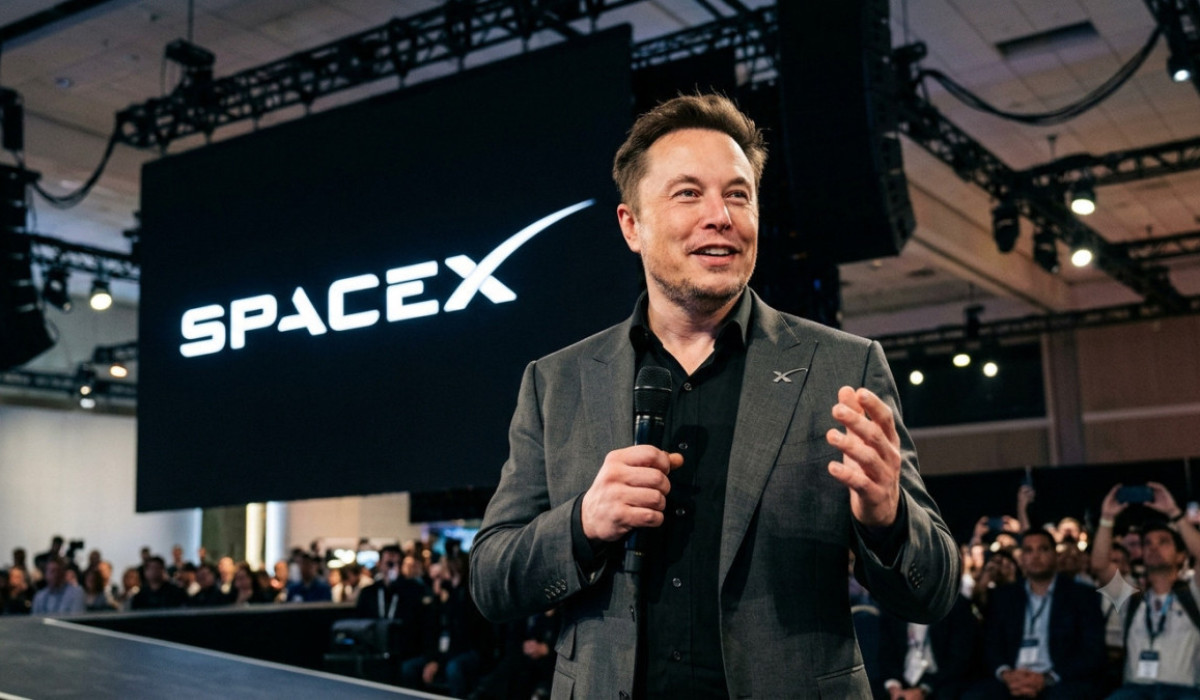
Elon Musk’s pockets are once again stuffed with $800 billion of riches, as billionaire wealth can rapidly accumulate when it’s linked to a high-growth company.
SpaceX’s stock has surged by 11.7% to reach approximately $129 on Friday, increasing Musk’s net worth to about $802 billion, per Forbes estimates. SpaceX’s stock fell as it reported first-quarter results, but the move came days after the company reported its stock price fell.
In this most recent resurgence, it’s a reminder that Musk’s wealth is not a static figure in a bank account. Much of his fortune is tied up in the worth of various businesses he owns, and billions can simply vanish or vanish into the sunset as those valuations fluctuate.
SpaceX Shares Are Driving the Latest Wealth Surge
The single most important reason for Musk’s most recent leap is simple – SpaceX.
The company’s stock rose to its highest price in about three weeks during Friday’s trading session, trading at about $129. Musk owns about 38% of SpaceX, and thus his personal fortune depends greatly on the stock price of the company.
It is a relationship that is especially significant now that SpaceX is going public earlier this year.
Musk’s fortune can grow by tens of billions of dollars without him selling any stock. When shares drop, it is just as speedy when they come back up.
This volatility was a lot in evidence recently. Musk’s fortune had dropped below $700 billion less than two weeks ago before making a comeback to over $800 billion.
Such a price change would be “unbelievable” to your average investor. But it’s now part of the truth for Musk of being a huge shareholder in one of the world’s most valuable corporations.
The Timing Is Interesting After SpaceX’s Earnings Report
The recent surge is especially significant given SpaceX’s recent quarterly earnings report, which initially raised some investor concerns.
The company’s $7.8 billion in quarterly sales met Wall Street’s $6.9 billion forecast. It also reported a smaller net loss, of $541 million, compared to $1 billion.
There was one number that attracted the attention of investors, though: spending.
SpaceX’s capital spending was $18.3 billion in the quarter, of which $15.8 billion was dedicated to artificial intelligence. The big spending initially pushed the stock.
That is a bit of a conundrum for investors.
At the same time, SpaceX is making a significant amount of money and growing its company. On the other hand, it’s making a significant investment in opportunities to come, particularly in AI infrastructure.
Markets are being told to take it on faith that the big spending now can eventually produce big revenue.
Musk’s Fortune Has Become Closely Tied to SpaceX’s Future
But it is not like that of a regular CEO who gets a salary and bonuses.
Because of the amount of his stock ownership, it is directly linked to his personal wealth and the value of the company.
That bond grew even more dramatic following SpaceX’s public launch. In June, Musk joined the club of trillion-dollar billionaires, estimated to have as much wealth as $1.45 trillion when the shares of SpaceX were at their peak.
The subsequent drop was the other side of the equation.
When investor sentiment shifts, the value of a billionaire’s holdings can plummet, but it can skyrocket when there is a stock rally.
In Musk’s case, the numbers are just on a different scale.
Starlink Could Be the Bigger Story
Rockets are still the norm that people think of when they think of SpaceX, but the company’s satellite internet plans, Starlink, are becoming a significant revenue stream.
Forbes reported that the company’s Starlink operation saw its revenue grow by almost 100 percent in the second quarter, emerging as one of the biggest revenue generators for the business.
That’s important because SpaceX is no longer just betting on the commercial launch market.
It has stretched its sights to satellite communications, AI infrastructure, and other tech firms. The company has also said that the revenue may reach up to $1 trillion by as early as 2029.
It remains to be seen if SpaceX can achieve that milestone. But that is the extent of the ambition, and that is why investors keep valuing the company highly. The movement in technology stocks also comes against a changing economic backdrop, where
rising and falling unemployment rates can influence consumer confidence, business spending and investor sentiment.
The Broader Tech Rally Helped Too
SpaceX wasn’t the only tech firm that gained from the market shift Friday.
Other technology stocks that surged were Palantir, Cloudflare and Microchip Technology. Palantir’s stock rose more than 9% around midday; Microchip’s rose toward a 14% increase.
The bigger rise came after an underwhelming U.S. employment figure, which said 23,000 U.S. jobs were lost in July.
That is important because the 11.7% rise in that market was not the only one. The mood of investors on technology stocks was improving across the board.
Nevertheless, SpaceX’s decision had enough impact that it could affect Musk personally.
What Musk’s $800 Billion Fortune Really Shows
While the headline figure is pretty amazing, the real story is the one that lies beneath.
Musk’s wealth is the clearest example of the shift in the sources of a billionaire’s wealth, in the modern era, from work to ownership. The growth potential of a business can make the value of a founder’s shares fluctuate significantly.
Perhaps the most obvious example is SpaceX for Musk.
The company today is investing billions of dollars in technologies that may take years to yield any kind of return. It’s like they’re making a long-term investment in the company’s ability to become a leader in a number of fast-growing markets.
That puts SpaceX’s price—and Musk’s wealth up for grabs—at a higher risk of being perceived as too high.
The Bottom Line
It’s not that Elon Musk’s net worth has crossed the billion-dollar mark once again, but that he has a controlling stake in SpaceX.
The company’s 11.7% share rally is also adding to his estimated wealth of $802 billion, despite his recent downturn.
That’s not the big question now; it’s whether Musk can manage to make the crossing in a flash from one giant wealth jump over another. It’s whether SpaceX can meet the expectations of investors.
Starlink is on track to become a much larger company with a fast growth rate, rapid AI spending and lofty revenue expectations.
For Musk, that future might have hundreds of billions — or trillions — of dollars of value coming from the market.
Despite concerns around inflation and market volatility, investors are still looking for opportunities in equities, with
JPMorgan’s outlook for the S&P 500 offering another perspective on where markets could be headed.