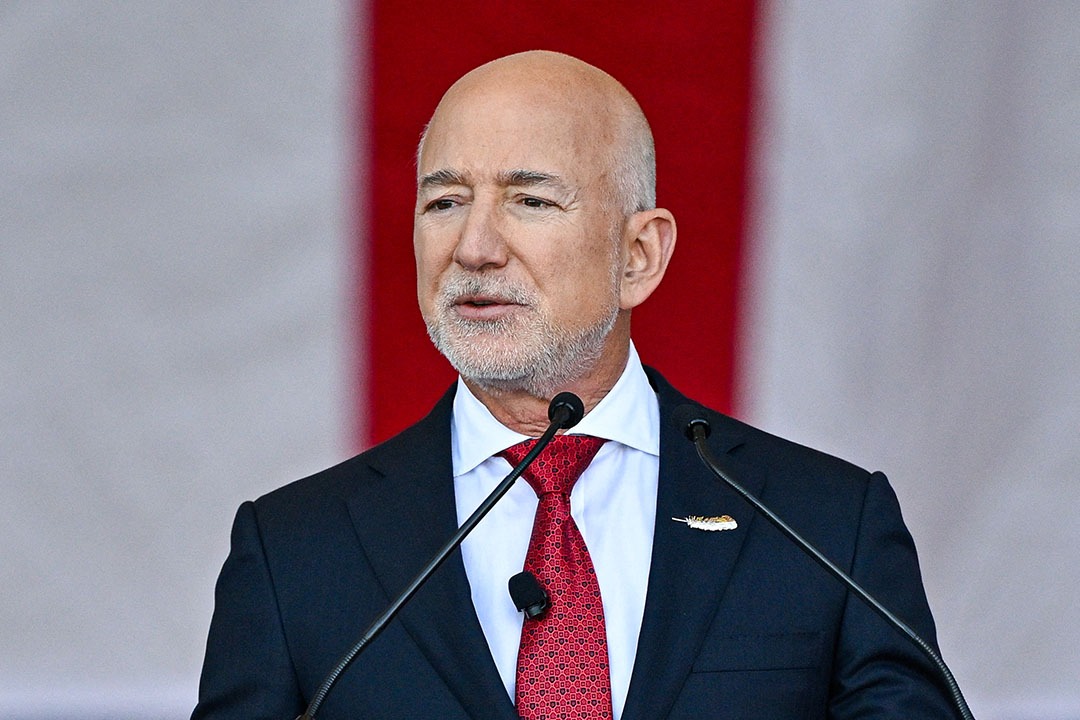

The world’s richest man, Jeff Bezos, is officially putting pro soccer on his investment list.
The founder of Amazon is part of a team that has agreed to buy a minority stake in Liverpool Football Club, its first large-scale investment in a soccer franchise. According to Forbes, the valuation of the deal puts Liverpool in the top ten of the most valuable sports properties in the world, and puts the Premier League team’s worth at over $7 billion.
The transaction is not a takeover. The current owner of Liverpool, the Fenway Sports Group, will have the majority stake. However, with the arrival of Bezos and other big investors, it is clear how lucrative elite sports franchises have become as long-term investments.
Bezos Is Joining A Bigger Investor Group
The consortium, called 1892 Holdings, is headed by entrepreneur Amit Bhatia, who has previously had experience in English soccer with Queens Park Rangers.
Other investors in the group include the Mittal family, the family office of Facebook co-founder Eduardo Saverin, and the sports fund of K5 Global, where Bezos is the lead investor. ([Al Jazeera][2])
The consortium is buying about a third of Liverpool for over $7 billion.
The investment is important to Bezos because it is a new asset class for one of the world’s most famous tech entrepreneurs.
He has been mentioned in the past as a potential buyer of an NFL franchise, but never as an owner. Liverpool changes that.
FSG Is Not Giving Up Control
One of the most crucial aspects is what remains the same in the transaction.
Fenway Sports Group will still be the club’s principal owners and will continue to run the club.
That means Bezos is not going in at Anfield with a knack for player deals, coaching, and running the day-to-day business.
The structure instead provides a chance for the new investors to share in Liverpool’s future, but also enables FSG to retain operational control. Bezos is likely to stay passive in the company, rather than joining the management team. ([The Guardian][3])
That’s important because sports ownership is moving past a singular billionaire buying an entire sports team to investors acquiring strategic stakes in existing sports teams.
Why is Liverpool worth so much?
Liverpool’s value is more than just about their sport.
The club has a strong commercial brand and a long history of success in English and European competitions, and one of the largest global soccer fan bases.
In 2010, FSG bought Liverpool for approximately £300 million. The new sale puts the club at around £5.5 billion in value – a huge jump in its worth under FSG’s stewardship. ([Financial Times][4])
That’s how it’s been done, and that is why the big sports names are getting more institutional and billionaire investors.
Whereas many businesses have a customer base that is spread across the country, the sports teams of the world have one thing that is quite valuable: people who are emotionally attached to their brand across the globe.
It can do that through broadcasting rights, sponsorships, merchandising, ticket sales, digital media, and international commercial deals.
Bezos Brings More Than Money
Notably, because of his background in technology and media, Bezos’ involvement is interesting.
Amazon is already a big name in sports broadcasting. Under Bezos, Amazon has grown into entertainment and purchased rights to major sporting events, such as Premier League games and NFL games.
Which means Bezos has a handle on the growing sports-on-streams, streaming-on-sports dynamic that’s important to understand.
It is not just about owning a famous soccer club that the Liverpool investment is.
It brings one of the world’s most powerful technology entrepreneurs closer to a market where content, audiences and live entertainment converge more and more.
Investors who are technologically and media-savvy, as well as familiar with international business, could provide Liverpool with avenues outside of football to make their fortune.
It Could Strengthen Liverpool’s Global Business
The investment follows Liverpool’s efforts to boost its commercial footprint.
The club is already very well known on an international level, especially in the continents of Europe, Asia and North America.
Sponsorships, digital products, international partnerships and fan engagement are avenues that new investment could help to accelerate that global strategy.
But it would be wrong to believe that just because Bezos is involved, Liverpool will be buying a billion-pound team.
The financial rules of the Premier League dictate how much a club can spend compared to its finances, income, and other financial factors.
It could therefore be a bigger opportunity off the pitch.
Greater commercial revenue will provide a club with more financial flexibility and reinforce the intrinsic value of the club.
Sports Teams Are Becoming Billionaire Assets
This isn’t a unique situation; Bezos has made other big investments in Liverpool.
It is not surprising that some of the world’s richest businessmen and investors are crossing over into professional sports as teams are scarce in their areas, recognized on a global level, and have a steady recurring revenue stream that is hard to come by anywhere else.
Only a few top-class football clubs exist.
Another Liverpool just can’t be molded into the same mold and expected to have the same history, supporters, and worldwide recognition.
That’s why established franchises present much investment value.
That’s the same trend that has been driving values up in baseball, American sports and other top-tier championships.
FSG’s Liverpool Investment Has Paid Off
The deal is FSG’s largest since the company was founded, marking another step in a very successful period on the books.
The group bought Liverpool in 2010, and at the time it was worth a fraction of what it is worth today.
FSG has seen Liverpool become one of the world’s top football brands after capturing the Premier League and Champions League titles.
The new agreement lets FSG profit from that rise, albeit not without some sharing of the power.
It also introduces new capital and perhaps new skills at the club and ensures the ownership structure remains largely unchanged.
What Comes Next?
The deal is not final yet and needs the proper regulatory approvals.
The message of the strategic, however, is already clear.
The club has proved to be a valuable addition, being fertile enough to lure some of the strongest players in the world, and Bezos’ association is another link between Liverpool and the tech/tech media world.
Bezos, on the other hand, is investing in Liverpool in a way that isn’t like Amazon, Blue Origin, or any of his other ventures.
It’s not something technology could easily make asset-based on loyalty.
A lot more than millions of people worldwide are simply watching Liverpool.
They identify with it.
That emotional connection is one of the biggest reasons elite sports franchises continue to attract enormous amounts of capital. Bezos’ Liverpool investment is part of a broader trend of billionaire sports team investments, as wealthy individuals increasingly view major franchises as long-term assets.
The Bigger Picture
Jeff Bezos buying into Liverpool is not just another billionaire purchasing a piece of a famous football club. It reflects the growing financial importance of global sports as an asset class.
FSG keeps control, while Bezos and his fellow investors gain exposure to one of the world’s most recognizable sports brands.
If Liverpool continues expanding its global commercial business, the investment could eventually look less like a celebrity purchase and more like what it really is: a multibillion-dollar bet on the future value of global sports. The Liverpool deal also highlights the broader question of how billionaires are building and managing wealth, particularly through alternative assets and long-term investments.
How Larry Ellison Dropped From World’s 2nd-Richest To No. 8 In Just 2 Months