
Tennis used to reward only the people who won matches. Now it rewards a different kind of winner too. In 2026, money is often made well after the last point is played. A lot of the cash does not come from tournaments . The biggest earners are using more than prize money. They also get paid through sponsorships, guest appearances, special shows, licensing deals, and side businesses. In the last year, the top ten players took in about $333 million.
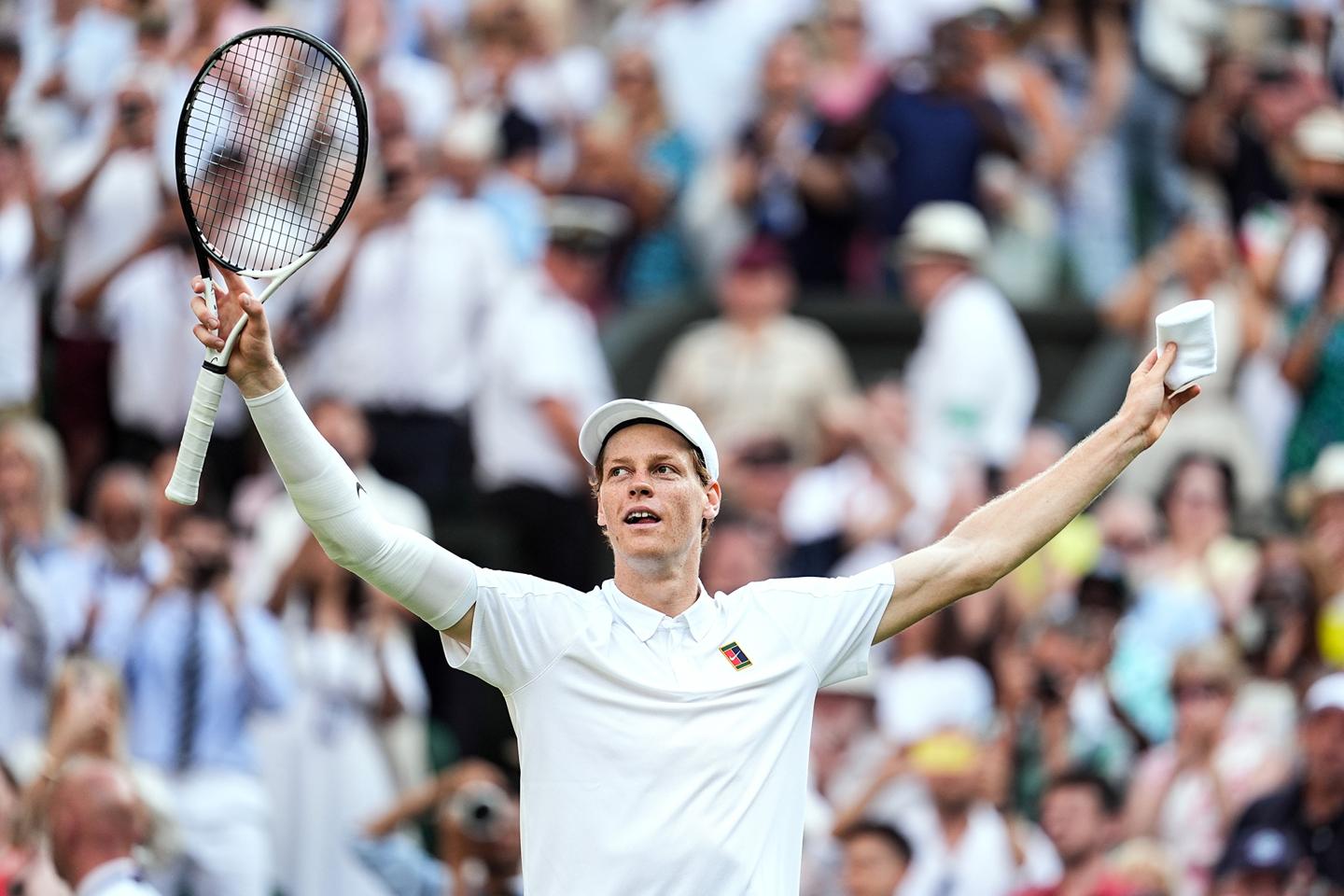
That is around 17% more than the year before. For the first time, the list of top earners has more women than men. That shift points to how much commercial pull women’s tennis has gained. Jannik Sinner sits at number one. He made an estimated $58 million before taxes in the past 12 months.
Carlos Alcaraz is next with $53.7 million. Serena Williams moved into third after her return to competitive play, bringing in about $40.1 million. These figures underline one thing. Tennis today works like a global business, and a player’s worth can go past the court.
Jannik Sinner Leads The 2026 Earnings Race
Jannik Sinner is leading the 2026 tennis ranking. His total earnings are estimated at $58 million. About $23 million is tied to matches he played. The rest, around $35 million, comes from sponsors and other deals. That includes brand work, public appearances, exhibition events, and similar income. This split matters in the real world. It shows how money can grow beyond match results.
Sinner has signed agreements with several big names. His list includes Gucci, Lavazza, De Cecco, and Allianz. He has also gained more value from his results at major events. People point to his Wimbledon title and his back-to-back Six Kings Slam wins. Those exhibition wins are said to bring in about $6 million each.
His climb in earnings also fits a wider shift in pro sports. When you win, more people notice you. When more people notice you, more brands want in. Over time, those deals can outweigh prize money.
Carlos Alcaraz Is Tennis’ Commercial Powerhouse
Carlos Alcaraz sits in second place with earnings around $53.7 million. From that total, about $15.7 million comes from play during matches. The rest, roughly $38 million, comes from work away from the court. So he is the top earner in the sport when you look beyond prize money.
He is 23 and from Spain. Over time, he has built a strong business image. That has happened through deals with big names like Ant International and Infosys. He also shows up in major exhibition events.
That helps him stay in public view, even if injuries pause him and keep him out of some big tournaments. This kind of attention matters for companies. For brands, a young Grand Slam winner with fans across borders can be more than a standard ad deal. The athlete can become tied to the brand itself, almost like a piece of its identity. The story also highlights how changing market conditions can affect a company’s valuation, especially when investors begin reassessing future growth, competition and long-term risks.
Serena Williams Shows The Power Of A Global Brand
Serena Williams stands out most on the list. After almost four years away from competitive tennis, she came back in 2026. That return was tied to an estimated $40.1 million. Prize money was not where the big number came from. Her earnings from matches were put at around $100,000. About $40 million was linked to endorsements and other business work.
This gap sheds light on how top athletes can still earn a lot after they stop competing full-time. Williams did not rely only on tournaments. She built a market presence that also covers investing, starting new ventures, and brand deals. Through Serena Ventures, she backed companies.
At the same time, she kept partnering with major brands worldwide. So her total income is less about match count. It is more about the value of the name she built.
Aryna Sabalenka And Coco Gauff Are Building Powerful Brands
Aryna Sabalenka sits in fourth place, with about $36.1 million in total earnings.
That sum breaks down into roughly $13.1 million from matches and around $23 million from deals and other work off the court. She has been adding to her sponsor list. Some of the names tied to her include Emirates, Material Good, and Stella Artois. Because she performs so well on the WTA Tour, those brands get more attention when she plays.
Coco Gauff is next, at about $35.5 million. Gauff is only 22, yet she has already built a lineup of partnerships with more than a dozen brands. She has also gone past the usual endorsement route. She works as an executive producer on documentaries, and she leans on social media as part of how she presents herself professionally.
For athletes who are still early in their careers, this point matters. Starting a personal brand early can open up money opportunities that keep expanding as their tennis keeps improving.
Novak Djokovic Proves Longevity Has Financial Value
Novak Djokovic is listed at number six, with about $30.2 million. The breakdown looks like this: roughly $5.2 million from matches, and around $25 million from other deals. Even as he gets closer to the end of his playing days, he still draws a lot of attention in business. He works with brands such as Hublot, Lacoste, and Qatar Airways.
He also acts as a strategic adviser and appears in media work, which brings more chances to earn. The top earners in tennis show a clear point. If results drop, it does not always mean a player becomes less valuable to sponsors. A good name, worldwide visibility, and years of loyal fans can keep paying off long after an athlete’s best competitive stretch is over.
Women Are Taking A Larger Share Of Tennis’ Commercial Spotlight
The 2026 table points to a clear change. In the top 10 for total pay, six spots go to women. This outcome has not shown up before in the ranking. Serena Williams, Aryna Sabalenka, Coco Gauff, Qinwen Zheng, Iga Swiatek, and Elena Rybakina are all listed among the top earners.
The shift lands while tennis still argues about pay and how money is split. Grand Slam events already pay the same prize to winners in the men’s and women’s singles. Meanwhile, the WTA is trying to bring prize money more in line across other big meets.
At the same time, brand deals matter more for women on tour. It means players can grow their income in another way besides prize money.
The Business Of Being A Tennis Star Is Changing
The 2026 earnings list teaches one main thing. Winning games is only part of the job. Today’s tennis star often does more than play. They may be an athlete and also a face on campaigns, a founder, an investor, a guest in media, and part of entertainment. Prize money builds the base. It matters most at the start.
Still, deals beyond tennis can raise the total. Endorsements and outside business can add more money on top of what tournaments pay. That is why Alcaraz can bring in more off the court than Sinner even if his total is lower. It also explains how Serena Williams can sit near the top while she plays fewer events than many others. A solid personal brand can keep earning even when the player is not on court every week.
The Bottom Line
Tennis’ top names are showing something that goes beyond winning points. Jannik Sinner is at the front in 2026 earnings. Carlos Alcaraz keeps pulling weight on the business side. Serena Williams proves that a well-built public image can still bring big money even after she steps away from the court for a while.
At the same time, Paula Badosa is not the focus here. It is Sabalenka, Gauff, Swiatek, Zheng, and Rybakina. Their rise suggests women’s tennis is getting more attention from sponsors and buyers. So what should players take from all this?
Winning can bring people to you fast. But a solid personal brand can keep that interest going and help it last in real money. Also, the best chance might not show up only at the finish line. It could show up after the match ends, in what comes next.
The growing relationship between influence and ownership can also be seen in how celebrities are turning fame into billion-dollar business empires, using their audiences to build brands, investments and long-term assets.