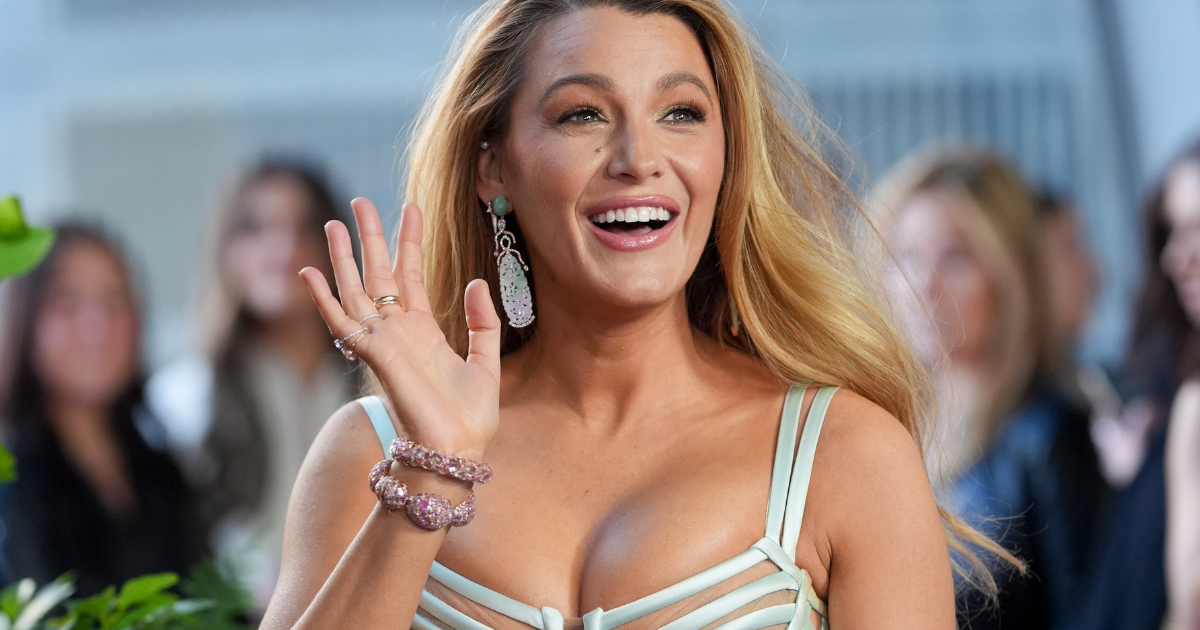

Celebrity fitness isn’t about looking good in a photo anymore. It’s turning into a business.. Some of the biggest names in sports and entertainment want in on the profits.
David Beckham has stepped into the wellness world with IM8. Kevin Hart now owns a piece of Burn Boot Camp. Basketball star Giannis Antetokounmpo and tennis champion Aryna Sabalenka have also invested in IM8 through equity-linked deals.
The message is clear. Celebrities aren’t happy putting their faces on products anymore. They want to own a piece of the companies they help promote.
For wellness brands this means more than having a famous name on a bottle or a star in a gym ad. It means connecting a product with someone whose lifestyle already matches what the brand is selling.
There’s a catch. A celebrity can bring attention fast.. Building a business that people keep coming back, to? That’s harder.
Read about Blake Lively Is Expanding Her Business Empire: How She Is Building Her Brand Beyond Hollywood
David Beckham and IM8: When Celebrity Meets Big Business

David Beckham has spent years building a worldwide reputation through football, fashion and business deals. Now David Beckham’s partnership with IM8 brings that reputation into the fast‑moving wellness market.
IM8 sells supplements that aim to make everyday wellness routines easier. Of depending on one star IM8 has also added well‑known athletes, such as Antetokounmpo and Sabalenka as equity partners.
The size of IM8’s business has drawn a lot of notice. Prenetics, the parent company of IM8 said that in June 2026 the brand earned about $17 million each month. Prenetics also revealed that in July 2026 General Catalyst committed $1 billion for growth. That $1 billion is not an equity investment; it is tied to spending on acquiring customers and the revenue those customers bring. <Cite refs={[“turn956081search0″,”turn758568search0”]}/>
I wonder what makes a celebrity‑backed wellness company commercially appealing.
One part of the answer is reach. David Beckham has fans over the world and his name gives IM8 instant recognition. Partnerships with athletes can bring the products to communities and markets.
Recognition is only the first step. Supplements fight in a market and customers have many choices. A brand must give people a reason to buy again whether that reason is product quality, convenience, price or a routine that fits their lives.
I think the real test, for IM8 is not just how many people notice it. It is whether IM8 can turn that attention into lasting customer relationships.
Kevin Hart Is Taking Fitness Ownership Beyond Endorsements
Kevin Hart has taken a route into the fitness business moving beyond jokes to real sweat.
Kevin Hart, the comedian and entrepreneur joined Burn Boot Camp as an equity partner, franchisee and executive partner according to the company’s announcement. <Cite refs={[“turn956081search4″,”turn956081search8”]}/>
I notice Kevin Hart’s public interest in fitness is now linked to a business built around in‑person workouts and memberships.
That matters because running a fitness brand is different from selling a consumer product. A supplement company can reach shoppers through orders and retail shelves but a fitness franchise must deliver a reliable experience at its locations keep members loyal and make people feel that their money is well spent.
A celebrity may help attract attention when a gym opens or a new campaign launches but members are more likely to stay when the workouts work for them the coaching is strong. The atmosphere makes them want to return.
Kevin Hart’s partnership shows how celebrity involvement can extend into the business itself. Than simply appearing in promotional material Kevin Hart has a stake in the company’s broader commercial ambitions.
For fitness brands looking to grow that kind of commitment can be more valuable, than a short‑term advertising deal provided the business delivers on its promises.
Why Brands Want Celebrities Who Actually Use Their Products
A familiar face can help a product stay in peoples minds. A real link between that person and the product can make the marketing more convincing.
This is one reason wellness brands often choose athletes, actors and entertainers who openly support exercise, good food or an active life. Their fans already connect them with the lifestyle that the brand wants to show.
The best deals need more than a good picture or a nice post on social media.
People see a lot of ads, new products and posts from influencers every day. A celebrity saying something about a product might make someone pay attention. It doesn’t always mean they trust it.
When a celebrity owns part of the company the connection can last longer than a campaign. The person has a financial interest in how the company does though the amount and details of that interest can be different each time.
For the brand this kind of deal can lead to a relationship with a famous person. For the celebrity it gives a way to earn money by being part of the business not by doing ads.
Still owning part of the company does not mean the celebrity uses every product or that the product works as promised. People should check what is in the product the proof, the cost and if it fits them not just the name, on the label.
Why Athletes Are Becoming Attractive Business Partners
Athletes bring a kind of trust to fitness marketing. Their lives are built around training, recovery and peak performance. That experience becomes part of how the public sees them. It makes them natural voices for products related to sports nutrition, wellness and fitness services.
IM8’s work with Giannis Antetokounmpo and Aryna Sabalenka shows this approach. Both athletes are figures. That gives IM8 a chance to connect with fans who may not already follow David Beckham. Their involvement isn’t a one-time endorsement. It’s deeper. They are tied to the business through equity, which means they are more connected than brand ambassadors.
For a brand that’s still growing working with athletes can help spread awareness across different sports and regions. Each athlete brings their fan base. They also bring their personal journey. One might inspire through resilience another through discipline and so on.
Here’s the important part: athletic success does not equal scientific proof. Just because an athlete uses a product doesn’t mean it works. A gold medal or a top ranking doesn’t prove that a supplement boosts energy or speeds recovery. Those claims need evidence.
This is key in an industry where some companies make promises, about feeling better recovering faster or getting stronger. Brands must be honest. Ingredients should be clear. Claims must be backed by research. Customers deserve to know the truth.
A celebrity can help get attention.. The product itself has to deliver. Otherwise it won’t stay in a customer’s life. The real test isn’t how well an athlete promotes it. It’s how well the product actually performs.
The Business Behind the Wellness Boom
Celebrity‑backed fitness is. It is part of a bigger change in how people think about health. The market now covers supplements, hydration drinks, gyms, fitness tech, recovery services and health plans that are delivered by subscription.
These businesses make money in ways. A customer might buy a supplement one time. Sign up to get it every month or pay for a gym membership each month or buy a wearable device that shows activity.
For companies repeat purchases are especially valuable. A customer who comes back each month gives an income, than a customer who buys only after seeing a celebrity ad.
This shows why brands and investors look at customer retention, acquisition costs and how much each customer spends over time. A company may bring in thousands of buyers but if it costs too much to get them or if they do not come back growth can be hard to keep going.
IM8’s growth‑financing deal shows how important these customer numbers are. The funding plan ties spending on customer acquisition to the money that the acquired customers bring in of treating growth as simply raising money and spending it on ads. <Cite refs={[“turn758568search0″,”turn758568search3”]}/>
In words the business case must go beyond celebrity fame. Brands must prove that their marketing attracts customers who’re worth keeping.
Read about How Rihanna’s Fenty Beauty Could Become the Next Big Celebrity Investment Deal
The Risks of Putting a Famous Name on a Fitness Brand
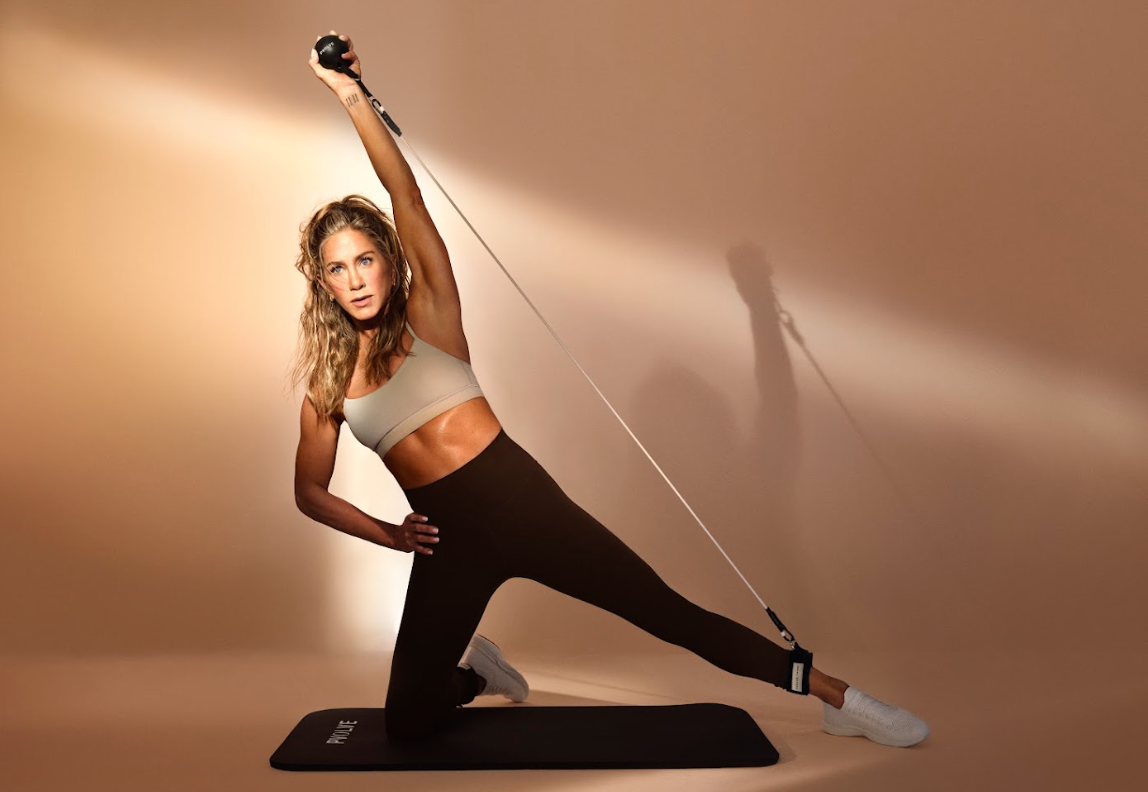
Celebrity involvement can give a business a head start but it can also create problems.
Fame can fade. A launch may receive attention yet interest can fall once the headlines disappear. If customers do not like the product or find it too expensive the celebritys reputation may not be enough to bring them
The brand can become too dependent on one person. When a business is closely tied to a celebrity changes in perception can affect the companys image. Strong brands need an identity that customers value independently of their partners.
Ownership does not guarantee a return. An equity stake can become valuable if a business grows. Its worth depends on the deal the companys performance and whether investors can eventually sell or otherwise realize that value. A high-profile partnership is not the same, as a guaranteed win.
Wellness claims require care. Supplements and health-related products need marketing. Customers should be able to understand what they are buying what the product contains and which claims are supported by evidence.
These risks do not make celebrity partnerships a bad business strategy. They simply show why a recognizable founder or investor cannot replace operations, good products and customer trust.
From Endorsement Deals to Ownership Stakes
The old way of promoting products with people was pretty straightforward. A company hired a known person to sell a product and that person got paid for it.
The new way is more complicated. Famous people might put money into a company own part of it run a branch or help make decisions about how the business runs. Their money and success can be tied closely to how well the company does, over time.
Beckhams work with IM8, Harts deal with Burn Boot Camp and the sports stars linked to IM8 are all examples of this kind of plan.
For people owning part of a business can be a way to create valuable things outside of their main job. For the companies it can bring in customers, more attention and people who care about the business growing.
This kind of deal only works if the business is good. A famous person can help make a product known. The company still needs good money management, good ways to get the product to people and customers who think the product is worth buying. A famous person can’t take the place of management, good products and people who trust the company.
What Comes Next for the Celebrity Fitness Economy?
The next phase of celebrity fitness will likely be shaped by a simple question: can these brands turn attention into habits?
Wellness products often rely on repeat behavior. Customers must decide that a supplement belongs in their routine that a gym membership is worth keeping or that a fitness service provides enough benefit to justify its price.
That creates an opportunity for brands that team up with well‑known partners and offer products that people really want. It also puts pressure on companies that depend much on publicity while failing to build a reliable customer experience.
The difference between celebrity endorsement and ownership is important. It is not the whole story. An equity deal can align incentives. It cannot guarantee quality, customer loyalty or profitability.
For consumers the lesson is simple. A celebritys involvement can be a reason to discover a brand. It should not be the only reason to buy from that brand.
Read About Kendall Jenner, Kaia Gerber and the New Celebrity Investor Era
The fitness economy is increasingly about more than who appears in the advertisement. It is, about who owns the business how the company expands and whether customers keep coming.
In the end fame may get a wellness brand noticed. Trust, benefit and a product that delivers are what give the brand a chance to last.