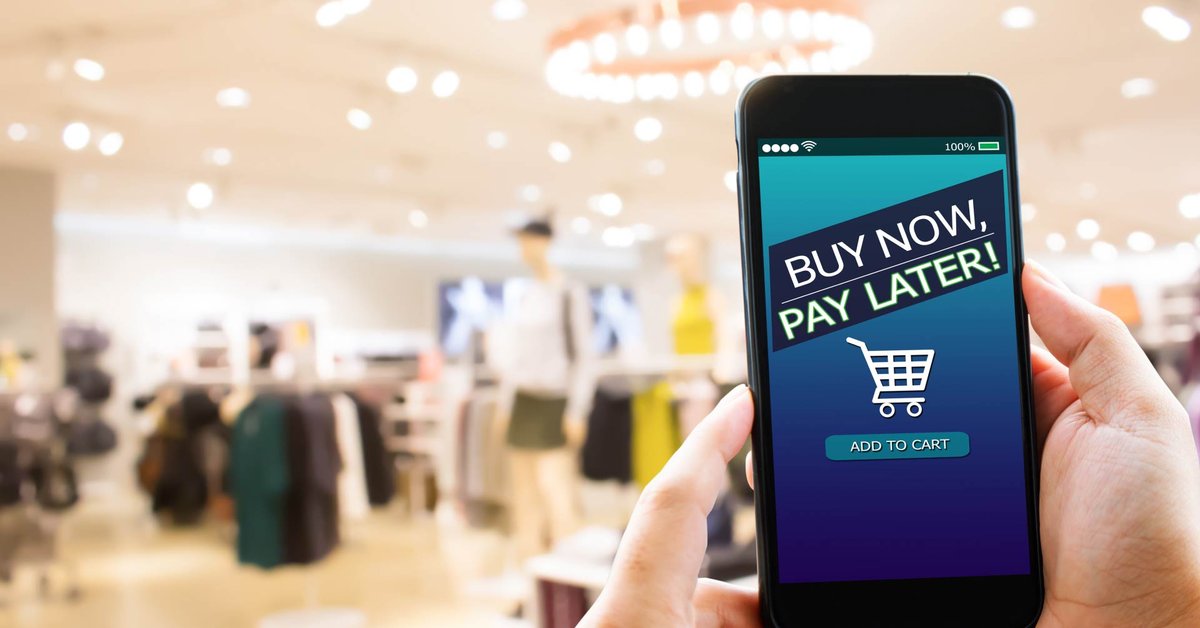

Consumer payment habits are changing quickly with regard to their day-to-day purchases. Buy Now, Pay Later (BNPL) was once synonymous with high ticket items, such as electronics, or furniture, but has now become a common payment method for various categories of goods and services, including grocery items, clothes, travel bookings and restaurant purchases. It was originally a flexible financing option, but is now influencing the way millions of people spend their money on a day-to-day basis.
Buy Now, Pay Later is a reflection of a longer trend in consumer behavior. With increasing living expenses, new payment technologies and the need for more flexibility in the payment methods, shoppers have been more inclined to pay in installments rather than paying at once. This change is bringing about a new era in consumer finance for retailers, lenders, and consumers.
Buy Now, Pay Later Is No Longer Just for Big Purchases
A few years ago, the use of installment services was limited to high value purchases. Today, consumers are choosing BNPL for their everyday, smaller purchases.
From coffee subscriptions to beauty products, clothing to home goods, travel to even food delivery, it’s a wide variety of things these days that can be done on an installment-paying schedule. The ease of installment repayment has made BNPL feel more like another payment approach as compared to credit cards and digital wallets.
This shift has brought normalisation to payment by installment to more and more commonplace buying.
Why Consumers Are Choosing BNPL More Frequently
This is being fueled by a variety of economic and behavioral forces.
For many families, budgeting is more difficult because of ongoing inflation and rising costs of living. Consumers may like to pay a large sum in one go, but when they are interested in paying in stages, they can have a better control over their monthly cash flow.
Digital checkout experiences have also facilitated easier BNPL. Nowadays, many online retailers offer installment plans right in the payment process so that customers are able to select flexible payment options in seconds.
For many consumers, the advantages are convenience, consistent payments and not the accrual of interest like traditional credit cards if they pay their bill on time.
Retailers Are Seeing Business Benefits
The growth of BNPL is not just reshaping consumer trends, it’s impacting business approaches as well.
Retailers say that installment payment programs can help them sell higher-dollar items and cut back on cart abandonment. Those who may be reluctant to make a full purchase can pay in installments over a number of weeks or months.
Businesses gain from:
- Higher conversion rates
- Mastery of the longer word values.Handling of longer word values.
- Improved customer satisfaction
- More flexible checkout processes.
- Stronger customer retention
With e-commerce competition on the rise, flexible payment options are playing an increasingly significant role in the customer experience.
Convenience Comes With Financial Responsibility
While BNPL is a convenient option, it’s also a way to manage your money wisely.
Installment payments can seem less than paying cash for the purchase, allowing consumers to either underestimate what multiple payments means, or overlook the fact that they will be making payments over time.
It may be difficult to budget multiple installment agreements if they fall on top of each other or if emergencies strike.
Consumers should consider:
- Their monthly income and expenditure.
- Existing financial commitments
- Total repayment obligations
- Automatic payment dates
- Whether purchases are within their overall purchasing budget
When used responsibly, BNPL can be a valuable financial tool. It can lead to unnecessary financial stress if used too much. As consumer spending habits continue to evolve, many of the principles discussed in Jamie Dimon’s investment insights—including financial discipline and long-term decision-making—remain just as relevant for everyday consumers as they are for investors.
Regulators Are Paying Closer Attention
More and more the BNPL model is gaining traction globally, and regulators are placing greater emphasis on it.
Consumer protection authorities and financial regulators are looking at:
- Clear and straightforward terms of lending.
- Responsible lending practices
- Credit reporting
- Late payment fees
- Consumer disclosures
The aim is to make sure that consumers are completely informed of their repayment responsibilities and to keep the rapidly growing lending industry fair.
This increased regulation could also introduce a standardisation of BNPL service providers versus traditional financial institutions.
How BNPL Is Reshaping Consumer Finance
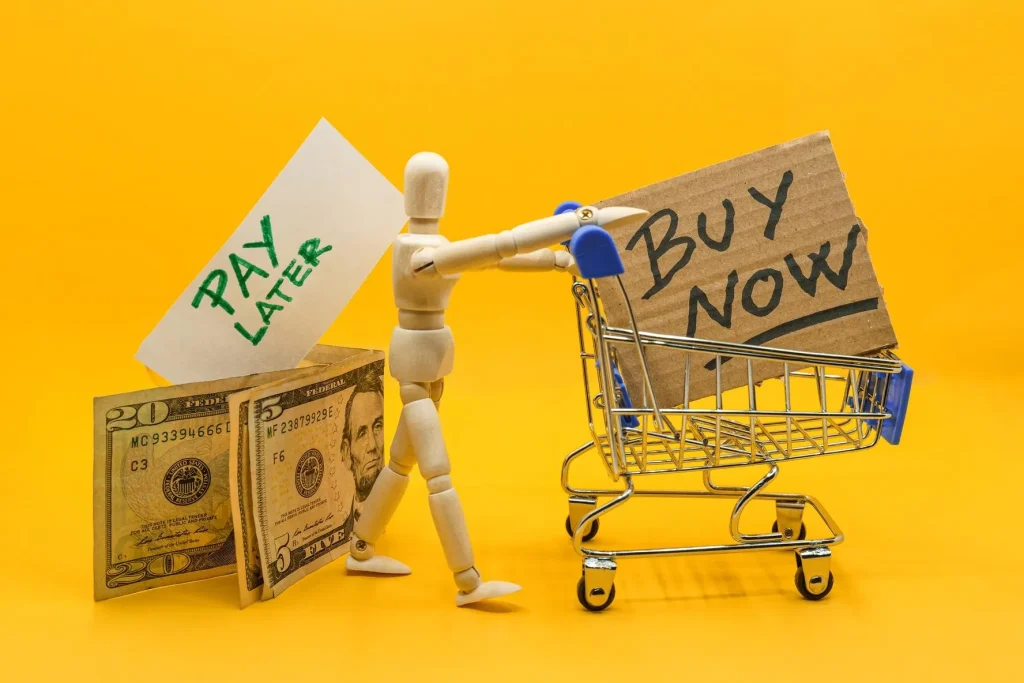
Installment payments are a sign of the changing attitudes towards money.
Many consumers are not only leveraging credit cards for payment and have been developing plans for payments using more than one financial instrument, such as digital wallets, direct bank payments and BNPL services.
This change is impacting:
- Household budgeting
- Online shopping behavior
- Retail financing
- Personal cash flow management
- Consumer borrowing habits
The financial technology firms are still developing fresh payment innovations that simplify the borrowing process and increase the speed and ease of making small loans.
What Businesses Should Watch
BNPL is a new opportunity and obligation for retailers and financial service providers.
Entrepreneurs who provide installment payments ought to keep an eye on:
- Customer repayment behavior
- Regulatory developments
- Fraud prevention
- Consumer demand
- Payment technology trends
Allowing flexibility in the payment method can enhance the customer experience, yet businesses should also ensure transparency and responsible le responsible lending. Balancing convenience and consumer protection measures can help companies create more effective long-term customer relationships.
The future of spending every day is interesting!
g convenience and consumer protection measures can help companies create more effective long-term customer relationships.
Buy Now, Pay Later has grown from a fringe financing method to a widely-used aspect of contemporary business.
Installment financing is poised to play an even greater role in consumers’ shopping habits as payment methods evolve and evolve.
Customers want the flexibility of having to choose from a variety of options at the checkout level, whether they’re shopping groceries or booking travel or upgrading home essentials. Meanwhile, financial literacy and responsible consumption will continue to be crucial when installment payments will become a regular part of daily life.
Final Words
The emergence of Buy Now, Pay Later is not only a payment trend; it’s a shift in the financial landscape. BNPL is becoming more ingrained as a consumer behavior, altering the way consumers budget, how retailers sell, and how financial services change.
The down to earth idea for the consumer is to strike a balance between the convenience and responsible financial planning. For businesses, it’s important to be aware of evolving payment habits, as it can help enhance customer experiences and future-proof digital commerce.
With the payments landscape continuing to change, Buy Now, Pay Later (BNPL) is set to be among the most impactful changes in consumer finance in the coming years. Before choosing installment payment options, consumers should also explore smarter budgeting strategies during rising living costs to better manage monthly expenses and reduce unnecessary financial pressure.