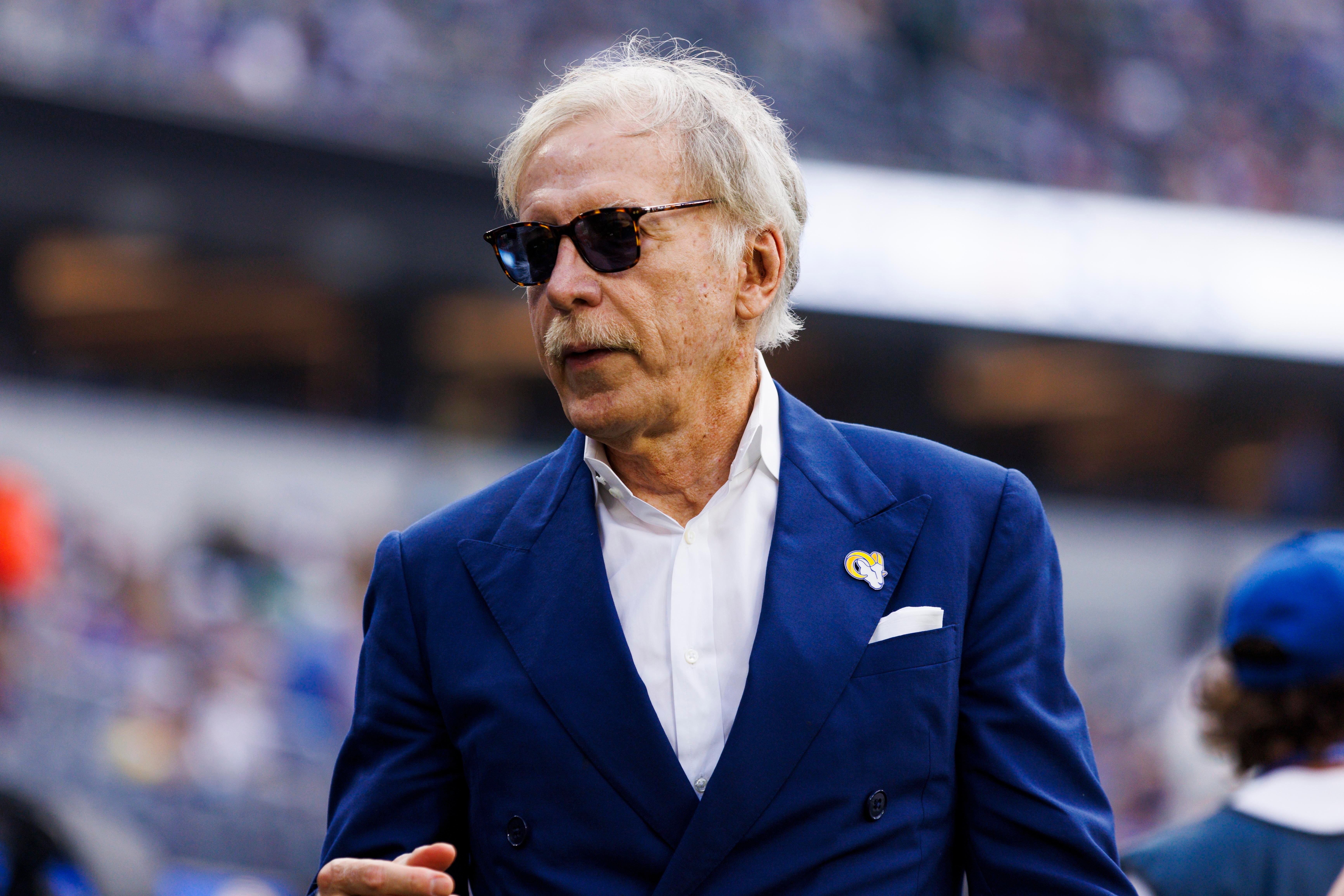

Stan Kroenke does not fit the usual picture of a billionaire who seeks attention. He rarely seems eager for cameras. Compared with other famous owners, he keeps a steady, low-key presence.
Still, his quiet style does not mean the impact is small.
Kroenke controls major interests in teams in the United States and Europe. That list includes the Los Angeles Rams, Denver Nuggets, Colorado Avalanche, Colorado Rapids, Arsenal, and the Colorado Mammoth. Forbes puts the current value of these sports holdings at about $22 billion after debt. It is a big jump from the roughly $2.4 billion he first paid. Put simply, those investments add up to nearly $20 billion in added worth.
You can also ask how he got there. This was not just a case of buying teams and letting time do the work. In a few places, he shifted franchises to larger markets. He also put money into stadiums and nearby projects. Then the timing helped. During that span, pro sports franchises kept climbing in value.
Now another move is in the works. Kroenke Sports and Entertainment has agreed to buy a controlling stake in the Los Angeles Angels. The deal puts the team near $4 billion, but it depends on the required approvals. If the deal closes, Kroenke would end up with control of teams across all five major U.S. men’s pro sports leagues.
How Stan Kroenke Built the Empire
Kroenke began his sports climb with the Los Angeles Rams.
In 1995, he picked up a 30% share. Later he raised that to 40%. When Georgia Frontiere passed away, he moved to take full control. By 2010, he had paid around $450 million to buy the rest.
Back then, that figure sounded enormous. Now it looks low when you compare it to later numbers.
Forbes had the Rams at about $1.45 billion in 2015, before their last season in St. Louis. Ten years afterward, Forbes listed the club at $10.5 billion.
That rise shows a lot about how his holdings changed over time.
He did not stop with one team.
In 2000, he bought the Denver Nuggets and the Colorado Avalanche. He also took their arena as part of a deal close to $450 million. At that point, the combined value was far less than today. In 2025, Forbes put the Nuggets near $4.6 billion and the Avalanche around $1.95 billion.
Kroenke later brought in more teams, such as the Colorado Rapids and Arsenal. Over time, the deal set started to look less like scattered sports ownership. It shifted into a wider sports and entertainment operation.
The Rams Bet Changed Everything
Moving the Rams from St. Louis back to Los Angeles drew sharp criticism. Still, the move mattered in business terms. It reshaped what the franchise could become.
Los Angeles is among the largest entertainment and media centers in the country. Kroenke did not only relocate the team. He pushed a major stadium plan in Inglewood. That plan also included a wider development effort.
SoFi Stadium became the base for the Rams. The Los Angeles Chargers also play there. The larger Hollywood Park area around the stadium made the site more than a simple football stop.
The scale of the plan was big. Building the stadium and the rest of the project required billions of dollars in spending.
The whole idea was a long game. The plan assumed that the Los Angeles market would eventually bring returns that would justify the first big outlay.
Early results point to that idea working.
Forbes reported that the Rams made $764 million in revenue in 2024. They posted $244 million in operating income. On top of that, the team won Super Bowl LVI in 2022. That gave Kroenke a title, along with the kind of financial growth many owners chase.
Winning Helps the Business
Kroenke’s holdings have one standout trait. The teams keep winning.
In 2022, the Rams won the Super Bowl. That same year, the Avalanche lifted the Stanley Cup. In 2023, the Nuggets won the NBA title for the first time.
In Europe, Arsenal’s men won the Premier League in 2026. It ended a stretch of 22 years without the trophy. Arsenal Women took the first FIFA Women’s Champions Cup in 2026.
Winning alone does not guarantee higher profit. Still, it shifts the money picture for a club.
When teams perform well, more people show up. Fans are more likely to buy costly seats. Merch sales often rise too. Sponsors also take more notice. There is also the added effect of wider fame, which can help when clubs work out deals for partners and TV rights.
Arsenal shows this pattern.
In 2026, Forbes put the value of the club at about $5.4 billion. It said the club brought in around $895 million in revenue in the 2024-25 season.
Kroenke also benefits from owning teams across leagues. Different seasons mean the income is less tied to one single sports schedule. That can smooth out revenue over time.
Kroenke Thinks Beyond the Team
Kroenke’s past is a key clue for how he runs sports.
Before he became a top sports owner, he made money in real estate.
Forbes puts his holdings at about 60 million square feet of commercial property. It also lists around 2.7 million acres of ranchland.
You can see that same mindset in his sports deals.
He does not treat a team like a standalone product. He does not treat a venue like a single building either.
To him, the value may come from what grows around the site.
SoFi Stadium is one clear example. It sits inside Hollywood Park. That area brings together games, entertainment, retail, homes, and other business activity.
In Denver, he has also backed plans near Ball Arena. Those ideas have included housing, a hotel, and a concert space.
With that approach, his investments feel less like a simple franchise purchase. They look more like long-term development.
In short, he tries to build whole systems around the teams and arenas.
The Angels Could Be His Next Big Test
If Kroenke buys the Los Angeles Angels, it would push his plan into a fresh area.
He already owns or backs teams in the NFL, NBA, NHL, MLS, and European soccer. If MLB is added too, he would then have teams across all five big men’s pro sports leagues in the United States.
Still, the Angels are not a simple fix.
For a long stretch, they have been hard to beat in the standings. This has gone on even with Shohei Ohtani as their top name for much of the last period. On top of that, Angel Stadium is close to 60 years old. The lease runs until 2032.
So the issue is not only about fixing play on the field.
How will the stadium be handled in the years ahead?
Will new building come around the park over time?
Can the team win more games while also raising its business value?
Those points will shape what comes next for the Angels. The result could be another big win for Kroenke, or it could turn into a far tougher bet.
The Risks Behind the Numbers
It is easy to see Kroenke’s jump of about $20 billion and think that owning sports teams is basically a sure bet.
It is not that simple.
Team values shift based on many things. Local fan demand matters, and so do TV deals and sponsor money. League rules and how the league makes profit also play a role. Stadium quality counts. So does whether rich buyers are willing to pay very high prices for limited slots.
There are downsides beyond money too.
Moves by owners can spark anger. The Rams leaving St. Louis caused a lot of pushback and led to a large legal settlement over time. Fans have also criticized Kroenke’s control of Arsenal, especially tied to the club’s role in the European Super League that did not happen.
Running a top club is getting more expensive.
Paying players costs more every year, and stadium upgrades do not come cheap. Other operating costs add up fast, and capital can drain quickly.
The Angels will reveal if Kroenke can keep the same steady approach when he has to make both team choices and building choices for a franchise that still needs big decisions.
A Different Kind of Sports Fortune
What stands out about Stan Kroenke’s sports business is not only the size of the empire.
It is the size of the jump over time.
Forbes says a sports portfolio he bought for about $2.4 billion is now valued near $22 billion after debt. That math adds up to almost $20 billion in gains tied to his sports moves.
His own wealth is also pegged at roughly $27.6 billion.
Still, the headline figures are only part of the picture.
Kroenke seems to have understood something early: today’s team is not just a place for ticket sales. A franchise can also feed media deals, entertainment projects, property holdings, and brands that reach far beyond the local fan base.
The next Angels deal will test that idea again.
If he can take another valuable franchise that has not fully performed and build it into a stronger sports asset and a better commercial setup, then the overall empire could grow more. If it turns out to be tougher than planned, it will also reveal the other reality of this fast rise in team ownership: big teams still need more than cash to become great businesses.